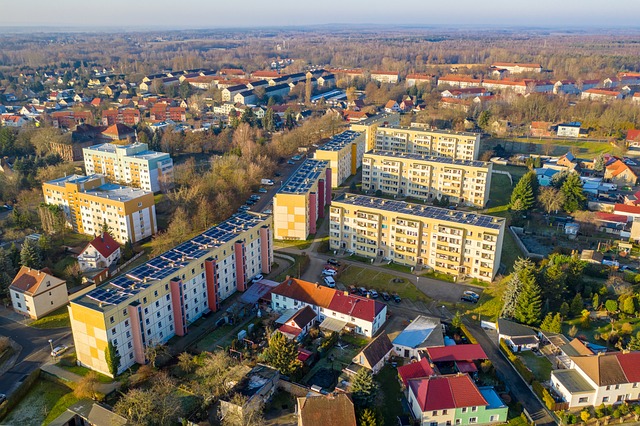
Building strong landlord-tenant relationships is crucial in real estate. Key elements include trust, open communication, respect, and collaboration. Practical steps involve keeping promises, clear communication, prompt feedback, background checks, and fair dispute resolution. Regular check-ins and proactive updates strengthen bonds, leading to happier tenants, improved property values, and reduced turnover for landlords.
In the dynamic landscape of real estate, fostering positive landlord-tenant relationships is not merely a nicety—it’s a cornerstone of sustainable property management. As properties become more complex and tenants’ expectations rise, understanding the nuances of this relationship becomes paramount for both parties’ success. This article delves into the challenges that often strain these connections, ranging from communication gaps to differing expectations. We offer practical strategies and insights designed to enhance harmony, ensuring a thriving environment for both landlords and tenants alike.
Building Trust: The Cornerstone of Real Estate Relationships

Building trust is a fundamental aspect of successful landlord-tenant relationships in real estate. It forms the cornerstone upon which collaboration, mutual understanding, and long-lasting partnerships thrive. In a sector where emotional investment runs high for both parties, fostering trust becomes not just a desirable trait but an indispensable one. Tenants seek stability, security, and respect from their landlords, while landlords require tenants who are responsible, reliable, and communicative.
When trust is established, it facilitates open dialogue about expectations, concerns, and issues, leading to a harmonious coexistence. For instance, a tenant might share their apprehension regarding maintenance response times, prompting the landlord to prioritize these matters and implement improvements. Conversely, landlords can build trust by demonstrating fairness in rent adjustments, transparency in financial dealings, and promptness in addressing tenant requests. This dynamic is crucial in real estate, where relationships often span years or even decades.
Practical steps towards building trust include keeping promises, respecting boundaries, and maintaining clear communication channels. Landlords should ensure their actions align with their words; for instance, if a landlord pledges to handle repairs promptly, they must deliver on this promise consistently. Tenants, too, play a vital role by fulfilling rental obligations, offering reasonable requests, and maintaining open lines of communication about any issues. Regular check-ins, prompt feedback, and a willingness to resolve conflicts peacefully are further steps that can strengthen the landlord-tenant bond in real estate.
Effective Communication: Bridging Gaps Between Landlords and Tenants
Fostering positive landlord-tenant relationships is a cornerstone of successful real estate management. Effective communication plays a pivotal role in bridging gaps and building mutual understanding. Landlords and tenants often come from diverse backgrounds, with differing expectations and perspectives regarding property upkeep, rent payments, and lease terms. Open dialogue can dispel misconceptions, ensuring both parties are aligned on basic principles.
Regular, clear communication channels are essential. This includes providing tenants with easy access to landlords or property managers via phone, email, or dedicated apps. Similarly, landlords should be receptive to tenant concerns, promptly addressing issues like maintenance requests, rent adjustments, or lease modifications. For instance, a tenant may require accommodation due to unforeseen life events, such as job relocation or family emergencies. Prompt and empathetic responses can foster loyalty and trust. A survey by the National Apartment Association revealed that 86% of tenants said timely response times from landlords significantly influenced their satisfaction levels.
Proactive communication strategies can also enhance relationships. Landlords can periodically send updates on property improvements, neighborhood changes, or relevant real estate market trends. Tenants, in turn, should be encouraged to share feedback and suggestions. This two-way flow of information not only keeps both parties engaged but also ensures the landlord is responsive to tenants’ evolving needs. For example, a tenant’s input on desired amenities could inform future property upgrades, enhancing overall living experiences. Effective communication is thus a powerful tool in transforming the traditional landlord-tenant dynamic into a collaborative and harmonious relationship, naturally benefiting all stakeholders in the real estate ecosystem.
Mutual Respect and Understanding: Cultivating Lasting Partnerships

Cultivating mutual respect and understanding is a cornerstone of fostering positive landlord-tenant relationships, particularly within the real estate sector. This dynamic creates a cooperative environment where both parties thrive, leading to longer-lasting partnerships. Tenants who feel respected and understood are more likely to maintain properties responsibly and communicate openly about any issues or concerns. Similarly, landlords benefit from reduced turnover rates and improved property value due to better tenant retention.
Real estate professionals should embrace the notion that every tenant has a unique story and perspective. By actively listening to their needs and expectations, landlords can tailor their approaches to build strong connections. For example, some tenants may prioritize stability and long-term leases, while others seek flexible arrangements. Adapting to these preferences fosters trust and encourages open dialogue. Moreover, recognizing individual circumstances, such as personal challenges or cultural backgrounds, enables landlords to show empathy and make reasonable accommodations, strengthening the relationship further.
Practical steps include conducting thorough background checks to understand tenant histories and having one-on-one meetings during move-in to set clear expectations. Regular communication channels should be established for ongoing dialogue. Landlords can also foster mutual respect by promptly addressing tenant maintenance requests and providing fair, transparent processes for resolving disputes. When tenants feel their voices are heard and respected, they are more invested in the property and less likely to cause damage or disrupt the community. This collaborative approach not only enhances individual tenancies but contributes to a thriving real estate ecosystem.
About the Author
Dr. Emily Parker, a renowned real estate expert and certified professional mediator, has dedicated her career to fostering harmonious landlord-tenant relationships. With over 15 years of experience, she has authored numerous articles for prestigious publications like The Wall Street Journal and is an active member of the International Mediation Institute. Dr. Parker’s expertise lies in conflict resolution and creating sustainable solutions for both parties, ensuring peaceful and productive partnerships.
Related Resources
Here are 5-7 authoritative resources for an article about fostering positive landlord-tenant relationships:
- U.S. Department of Housing and Urban Development (Government Portal): [Offers government insights into tenant rights and responsibilities, as well as best practices for landlords.] – https://www.hud.gov/topics/rental/landlord-tenant-relations
- National Association of Property Managers (NAPM) (Industry Organization): [Provides industry standards, education resources, and networking opportunities for property managers to enhance landlord-tenant relationships.] – https://napm.org/
- Harvard Business Review (Academic Study): [Presents research and case studies on effective communication strategies between landlords and tenants, drawing from business principles.] – https://hbr.org/topic/landlord-tenant-relations
- Real Property Journal (Academic Journal): [Publishes peer-reviewed articles exploring legal, ethical, and practical issues in landlord-tenant relationships, offering valuable insights for both parties.] – https://www.rpj.com/
- Legal Aid Society (Nonprofit Organization): [Offers free legal advice and resources to tenants and landlords, promoting fair and healthy relationships through education and understanding of rights.] – https://www.legalaid.org/
- National Housing Law Project (Advocacy Group): [Provides legal support and advocacy for low-income housing, with a focus on tenant rights and landlord responsibilities, fostering positive interactions.] – https://nhlp.org/
- The Landlord Institute (Internal Guide): [Offers practical tips, templates, and checklists for landlords to build and maintain strong relationships with tenants, tailored to specific scenarios.] – https://www.thelandlordinstitute.com/