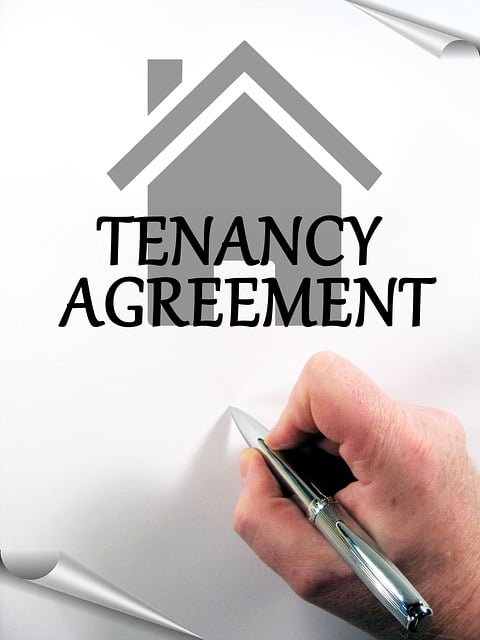
Building trust is essential for successful real estate relationships, fostering higher tenant satisfaction and retention. Key strategies include open communication, regular updates, honest interactions, and prompt rent payments from landlords. Tenants contribute through clear agreement adherence. Effective communication overcomes misunderstandings, with plain language, feedback sessions, and documentation vital. Mutual respect and clear responsibilities strengthen partnerships, leading to better shared space care and reduced costs. Landlords set expectations, tenants participate in boundary setting, and regularly reviewing lease agreements cultivates durable relationships in the real estate ecosystem.
In the dynamic landscape of real estate, fostering positive landlord-tenant relationships is not merely a moral imperative but a strategic necessity. As property managers navigate complex responsibilities, strong ties with tenants can mitigate challenges, enhance satisfaction, and drive long-term success. However, cultivating such alliances is easier said than done, given the delicate balance between managing assets and respecting resident autonomy. This article delves into actionable strategies, drawing from proven practices in real estate, to strengthen these crucial bonds, ultimately enriching both landlord and tenant experiences.
Building Trust: Laying the Foundation for Strong Relationships in Real Estate
Building trust is a cornerstone of positive landlord-tenant relationships in real estate. It’s not just about adhering to legal obligations; it involves fostering an environment of transparency, respect, and open communication. Landlords who prioritize trust position themselves as partners rather than authorities, leading to happier tenants and lower turnover rates. For instance, regular, honest updates on maintenance issues and repairs can alleviate tenant concerns, demonstrating a commitment to their living space’s integrity.
Tenants, in turn, contribute by fulfilling their rental agreements and maintaining open lines of communication. Prompt rent payments and clear correspondence about any needs or problems create a collaborative dynamic. Real estate professionals should encourage this mutual respect, offering personalized services where possible, such as helping tenants navigate local regulations or providing resources for home improvement projects. Data suggests that tenant satisfaction directly impacts property values; happy tenants are more likely to renew leases and contribute to a positive real estate investment outlook.
Actionable advice includes setting clear expectations from day one, keeping promises, and showing genuine interest in tenants’ experiences. Landlords can host annual or semi-annual meetings to review the rental agreement, address any concerns, and celebrate the partnership. Building trust takes time but is an indispensable strategy for fostering long-term, mutually beneficial relationships in real estate.
Effective Communication: Bridging Gaps, Enhancing Understanding Between Landlords and Tenants

Effective communication is a cornerstone of fostering positive landlord-tenant relationships in real estate. Gaps in understanding and misaligned expectations can often arise due to varying backgrounds, languages, or cultural norms. Landlords and tenants who prioritize open dialogue can significantly enhance their living experience. A simple act of clear and respectful communication can prevent misunderstandings that might lead to conflicts, ensuring a harmonious coexistence.
Bridging these gaps requires landlords to be proactive in explaining policies, expectations, and any relevant real estate regulations. Using plain language and avoiding jargon can make complex information more digestible for tenants. Regular check-ins and feedback sessions allow both parties to address concerns promptly. For instance, a landlord might schedule annual meetings where they review the property’s condition, discuss rent adjustments, and clarify any rule changes, fostering a sense of partnership rather than a transactional relationship.
Tenants should also embrace proactive communication by being responsive to landlords’ inquiries and initiatives. Proactive tenants can anticipate potential issues, such as maintenance needs or lease renewals, and communicate them early on. This collaborative approach not only improves living conditions but also builds trust, which is vital in the long term. Data suggests that effective communication reduces tenant turnover rates, with a study by the National Multifamily Housing Council indicating that efficient landlord-tenant interactions can lead to higher resident satisfaction and retention.
To enhance understanding, both parties should document important discussions, decisions, and agreements. Writing down key points ensures transparency and provides a reference for future reference. Incorporating technology, like digital communication platforms or tenant apps, can streamline this process further. Regularly reviewing and updating these records strengthens the relationship by demonstrating accountability and a commitment to clear communication practices in real estate.
Mutual Respect and Responsibilities: Navigating Expectations for a Harmonious Coexistence
In real estate, fostering positive landlord-tenant relationships is paramount for creating sustainable, harmonious coexistent environments. At the heart of this dynamic lies mutual respect and a clear understanding of responsibilities, which serve as foundational pillars for any successful partnership. Tenants and landlords alike must navigate expectations with sensitivity and pragmatism to ensure both parties feel valued and heard. This involves open communication channels where tenants share their concerns, needs, and aspirations, while landlords offer guidance, support, and a fair degree of flexibility.
For instance, regular check-ins between landlord and tenant can transform from mere formalities into opportunities for building rapport and fostering trust. Addressing tenant issues promptly demonstrates landlord commitment to maintaining livable conditions, reinforcing the mutual respect dynamic. Conversely, tenants who convey their desires for specific amenities or improvements contribute to a collaborative environment, aligning with the landlord’s interest in maximizing property value through tenant satisfaction.
Data from industry surveys reveals that positive landlord-tenant relationships significantly enhance tenant retention rates, reducing vacancy costs for real estate investors. Furthermore, tenants who feel respected and heard are more inclined to take care of shared spaces, minimizing damage and maintenance costs. Cultivating mutual respect and responsibilities is, therefore, not just a moral imperative but also a strategic decision with tangible financial benefits in the dynamic real estate sector.
To achieve this balance, landlords should clearly communicate expectations from day one, while tenants must actively participate in setting boundaries and resolving disputes. Regularly reviewing and updating lease agreements can help keep both parties on the same page. For example, including provisions for regular maintenance check-ins or addressing noise pollution guidelines shows a shared commitment to maintaining a peaceful living environment. Ultimately, these practices translate into more durable, positive relationships that benefit all involved in the real estate ecosystem.