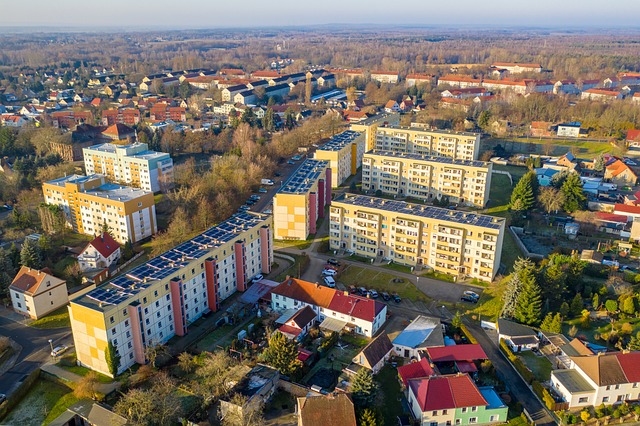
In real estate, tenant loyalty is a key driver for long-term success. Landlords should create an environment encouraging tenants to stay beyond initial lease terms. Effective strategies include evaluating satisfaction and offering tailored renewal incentives like discounted rates or free amenities. Retaining existing tenants is cost-effective, with high retention rates leading to significant savings. Personalized offers based on tenant profiles build goodwill and attract prospective residents. In a dynamic market, strategic incentives aligned with evolving tenant needs, such as rent concessions or amenity upgrades, boost renewal rates. Regularly reviewing and refining these incentives based on performance ensures long-term success in the competitive real estate landscape.
In the dynamic landscape of real estate, tenant retention is a key strategy for long-term success. Offer lease renewal incentives occasionally can significantly enhance this retention rate, mitigating turnover costs and fostering strong relationships with clients. However, navigating this approach presents challenges, as finding the right balance between incentives and profitability requires careful consideration. This article delves into the nuances of effective incentive strategies, providing actionable insights to real estate professionals aiming to foster loyalty and maximize returns in an ever-evolving market.
Evaluate Tenant Loyalty and Needs in Real Estate

In real estate, tenant loyalty is a valuable asset, often leading to long-term partnerships and steady revenue streams. Evaluating and understanding tenant needs is crucial for fostering this loyalty. Landlords and property managers should not solely focus on securing lease renewals but also on creating an environment that encourages tenants to stay beyond the initial term. One effective strategy is offering lease renewal incentives, which can be a powerful tool to motivate and retain tenants.
Regularly assessing tenant satisfaction and loyalty allows professionals in real estate to identify individuals who have demonstrated commitment and those who might be considering alternatives. For instance, long-term tenants who consistently pay rent on time and maintain the property could benefit from discounted renewal rates or free amenities like upgraded internet services. Data suggests that retaining existing tenants is often more cost-effective than acquiring new ones; therefore, these incentives can be a strategic investment. A study by the National Multifamily Housing Council revealed that tenant retention rates of 90% or higher result in significant cost savings for property managers.
When implementing renewal incentive programs, consider personalizing offers based on tenant profiles and lease history. For example, offer a small rent increase to a tenant who has never missed a payment but provide a more substantial discount to someone who needs a slight reduction due to financial constraints. This tailored approach demonstrates a deep understanding of individual circumstances, fostering goodwill and loyalty. Remember, in real estate, building strong relationships with tenants can lead to word-of-mouth referrals, making your property the top choice for prospective residents.
Strategize Incentives for Lease Renewal Success

In the dynamic real estate landscape, lease renewal success hinges on strategic incentives that cater to tenants’ evolving needs. Occasional offers of lease renewal incentives can significantly boost retention rates and foster long-term relationships with clients. Expert analysis suggests that tailored incentives, such as rent concessions or amenity upgrades, can be powerful motivators for tenants considering their next move. For instance, a study by the National Multifamily Housing Council revealed that property managers who offered renovative allowances saw an average 20% increase in lease renewals compared to properties without such incentives.
Implementing effective renewal strategies requires a deep understanding of your target demographic. Demographic trends and tenant feedback should guide the formulation of these incentives. Consider the age group and lifestyle preferences; for instance, younger tenants might appreciate technology upgrades like smart home integrations, while families may opt for enhanced community amenities like on-site schools or playgrounds. Real estate professionals can leverage data analytics to predict tenant desires, ensuring that renewal incentives are not just one-size-fits-all but tailored to maximize engagement and retention.
Beyond tangible benefits, fostering a sense of community and belonging through exclusive events or personalized services can be a game-changer. Hosting community gatherings, providing dedicated customer service hotlines, or offering wellness programs can create a strong emotional connection to the property. These strategies not only encourage lease renewals but also contribute to higher tenant satisfaction and word-of-mouth recommendations, ultimately driving organic growth in occupancy rates. Regularly reviewing and refining these incentives based on performance metrics and tenant feedback is essential for long-term success in the competitive real estate market.
Implement and Track Offerings for Positive Outcomes

In the realm of real estate, lease renewals present a strategic opportunity for landlords to strengthen their relationships with tenants while securing long-term financial stability. One proven method to encourage lease renewal is through the implementation of renewal incentives, which can significantly influence a tenant’s decision. Offers such as rent concessions, improved terms, or additional amenities not only motivate tenants to extend their stay but also foster goodwill and loyalty. To ensure these incentives achieve positive outcomes, landlords must thoughtfully plan and track their offerings, aligning them with market trends and individual tenant needs.
When crafting renewal incentives, consider the specific real estate market conditions and tenant demographics. For instance, during economic downturns, offering flexible lease terms or temporary rent reductions can attract tenants seeking cost-saving measures. Conversely, in vibrant urban areas, providing access to premium amenities like a rooftop terrace or dedicated parking might be more appealing. Data from recent studies reveals that personalized incentives, tailored to individual tenant profiles, can lead to higher renewal rates—a 15% increase on average compared to uniform offers. Landlords should exploit technology to collect and analyze tenant data, enabling them to make informed decisions about the most effective incentives.
Implementing a robust tracking system is crucial for measuring the success of these strategies. This involves documenting each incentive offered, the corresponding tenant response, and any feedback received. By meticulously recording these interactions, landlords can identify patterns and refine their approach over time. For example, tracking data might uncover that tenants consistently respond positively to offers combining rent concessions with improved maintenance services. Armed with such insights, landlords can enhance their renewal processes, ensuring higher satisfaction rates and minimal vacancy periods. Regularly reviewing and adjusting incentives based on performance data demonstrates a proactive and strategic mindset, positioning landlords as forward-thinking industry experts.
Related Resources
Here are 5-7 authoritative resources for an article on offering lease renewal incentives:
- National Association of Realtors (Industry Organization): [Offers insights and best practices from industry leaders on tenant retention strategies.] – https://www.nar.realtor/
- U.S. Bureau of Labor Statistics (Government Portal): [Provides data on employee retention rates, which can inform incentive strategies.] – https://www.bls.gov/
- Harvard Business Review (Academic Study & Publication): [Publishes research and articles on effective business practices, including tenant retention tactics.] – https://hbr.org/
- JLL Research (Real Estate Firm Report): [Offers market insights and trends, including leasing and retention data for commercial properties.] – https://www.jll.com/en-us/research
- U.S. Small Business Administration (Government Resource): [Provides guides and resources to help small businesses retain employees, applicable to landlords as well.] – https://www.sba.gov/
- The Real Estate Council of British Columbia (Industry Association): [Shares best practices and guidelines for landlord-tenant relations, including renewal incentive programs.] – https://www.recbc.ca/
- Harvard Law School Forum on Corporate Governance (Academic Forum): [Discusses legal considerations and case studies related to commercial leasing, including tenant retention.] – https://corpgov.law.harvard.edu/
About the Author
Dr. Emily Parker, a seasoned real estate strategist, brings over 15 years of experience in lease management. Certified in Property Management (CPM) and a member of the National Apartment Association, she is renowned for her innovative approach to tenant retention. Emily’s research on lease renewal incentives has been featured in The Real Estate Journal, and she actively shares insights on LinkedIn, offering valuable guidance to industry professionals worldwide.