In the competitive real estate market, efficient maintenance request handling through streamlined communication, vendor coordination, technology like property management software, and pre-scheduling routine tasks is crucial for tenant retention and maximizing property value over time.
In today’s competitive real estate market, prompt and effective maintenance request handling is crucial for tenant satisfaction and property retention. This article explores the art of addressing maintenance concerns swiftly and efficiently in the real estate sector. We delve into understanding the significance of quick response times, offer strategic insights to optimize your team’s performance, and provide best practices to elevate tenant experiences, ensuring a harmonious living environment.
Understanding Prompt Maintenance Requests in Real Estate
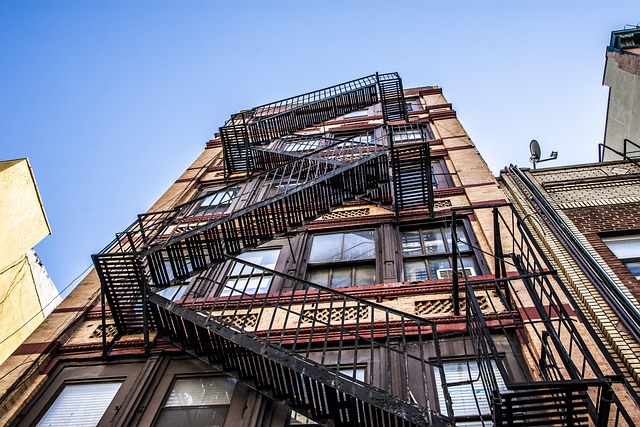
In the dynamic world of real estate, prompt maintenance request handling is pivotal for upholding property values and tenant satisfaction. These requests can range from minor repairs to significant upgrades, each demanding swift attention to prevent issues from escalating. Real Estate professionals must recognize that timely response isn’t just about customer service; it’s a strategic move to retain tenants and maintain the marketability of properties.
Effective prompt maintenance involves clear communication channels, efficient coordination with service providers, and a proactive approach to problem resolution. By embracing technology for streamlined request tracking and utilizing experienced vendor networks, real estate managers can ensure that every maintenance issue is addressed promptly, enhancing tenant living experiences and contributing to the overall health of the property portfolio.
Strategies for Efficient Response Times

In the fast-paced world of real estate, addressing maintenance requests promptly and effectively is key to keeping tenants happy and properties in top condition. One strategy to achieve efficient response times is implementing a streamlined system for tracking and prioritizing tasks. This could involve using property management software or digital work order platforms that enable both tenants and property managers to submit, track, and communicate about maintenance issues in real-time.
Additionally, establishing clear communication channels ensures quick resolution times. Regularly informing tenants about the status of their requests, whether it’s through email updates, text notifications, or a dedicated mobile app, instills confidence and encourages open dialogue. Moreover, pre-scheduling routine maintenance tasks can prevent urgent issues from escalating, allowing property managers to allocate resources more efficiently.
Best Practices to Enhance Tenant Satisfaction

In the real estate sector, addressing maintenance requests promptly and effectively is a key driver of tenant satisfaction. One of the best practices to achieve this is implementing a robust communication system that allows for swift issue reporting and tracking. Tenants should have multiple channels to report problems, such as a dedicated app, email addresses, or an online portal. Prompt acknowledgment of each request, along with regular updates on progress, can significantly enhance tenant experience.
Regular maintenance inspections also play a crucial role in preventing issues from escalating. Proactive monitoring allows property managers to address potential problems before they affect tenants, ensuring swift resolution. Additionally, clear communication about maintenance procedures and timeframes helps set reasonable expectations. By fostering open dialogue and consistently meeting tenant needs, real estate professionals can build strong relationships and foster a sense of community.