
In real estate, building trust through transparent communication and consistent performance strengthens landlord-tenant relationships. Practical steps include regular updates, prompt issue resolution, fairness, financial transparency, and clear rent reporting. Effective communication channels like annual meetings enhance tenant satisfaction, increasing lease renewals by 47%. Open dialogue reconciles differences, fosters mutual respect, and reduces tenant turnover by up to 30%. A collaborative approach with concessions or negotiated lease terms further strengthens relationships and benefits the real estate portfolio.
In the dynamic landscape of real estate, fostering positive landlord-tenant relationships is not merely a best practice—it’s an art essential for sustainable success. As properties become more intricate and tenants’ expectations evolve, understanding the delicate balance between management and resident satisfaction becomes critical. This article delves into practical strategies for nurturing these relationships, recognizing their profound impact on occupancy rates, property values, and the overall health of real estate investments. By exploring effective communication, responsiveness, and a tenant-centric approach, we aim to equip professionals with tools to create harmonious unions that thrive in today’s competitive market.
Building Trust: Laying the Foundation for Positive Relationships in Real Estate

Building trust is a cornerstone of positive landlord-tenant relationships in real estate. It serves as the foundation upon which mutual respect, open communication, and collaborative problem-solving rest. Landlords who prioritize transparency and consistent fulfillment of promises cultivate an environment where tenants feel valued and heard, leading to higher occupancy rates and reduced turnover. For instance, a study by the National Apartment Association found that landlords with strong tenant relationships experienced 17% lower vacancy rates compared to their counterparts.
Tenants, too, play a crucial role in fostering trust. Prompt rent payments, adhering to lease agreements, and maintaining open lines of communication contribute significantly. In real estate, where reputations can make or break careers, building trust reduces conflicts, minimizes damage claims, and encourages positive word-of-mouth referrals. A survey by the Real Estate Research Council revealed that 87% of satisfied tenants were likely to recommend their landlord to others, underscoring the powerful impact of trustworthy relationships.
Practical steps towards building trust include regular communication about property updates and maintenance needs, promptly addressing tenant concerns, and demonstrating fairness in decision-making processes. Landlords can also foster trust by providing clear financial transparency, such as detailed rent roll reports and timely accounts of expenses. Conversely, neglecting these practices can lead to misunderstandings and damage the landlord-tenant dynamic, negatively impacting both parties in the long run.
Effective Communication: Bridge Gaps, Foster Understanding Between Landlords and Tenants

Effective communication is a cornerstone of fostering positive landlord-tenant relationships. In the real estate sector, where trust and understanding are paramount, clear dialogue bridges gaps, ensuring both parties’ needs and concerns are addressed. Landlords and tenants often bring diverse perspectives to the table; effective communication helps reconcile these differences, creating an environment conducive to mutual respect and cooperation.
Tenants may view their homes as sanctuaries, while landlords see them as investments. Misunderstandings arise when these viewpoints collide. A simple, regular communication channel can avert such conflicts. Landlords should encourage open dialogue, actively listening to tenants’ feedback and queries. For instance, hosting annual or semi-annual meetings where tenants can voice concerns about maintenance, rent adjustments, or lease renewals fosters transparency. This practice not only resolves immediate issues but also builds trust over time.
Data from industry surveys reveals that tenant satisfaction significantly impacts property retention rates. According to a 2022 report by the National Multifamily Housing Council, tenants who reported excellent communication with their landlords were 47% more likely to renew their leases. This highlights the direct correlation between effective communication and long-term tenancy. Landlords can leverage technology to enhance this process; digital platforms for lease agreements and maintenance requests streamline communication, ensuring both parties have accessible records of interactions and decisions.
Actionable advice includes implementing a structured communication protocol, such as prompt responses (within 24 hours) to tenant inquiries, regular updates on maintenance progress, and clear, concise language in all communications. Landlords should also encourage tenants to share their expectations early in the tenancy, setting a benchmark for future interactions. This proactive approach ensures both parties are aligned, reducing potential conflicts and fostering a harmonious landlord-tenant relationship that benefits the real estate venture as a whole.
Addressing Concerns: Resolving Disputes and Ensuring Satisfactory Co-existence in Rental Properties
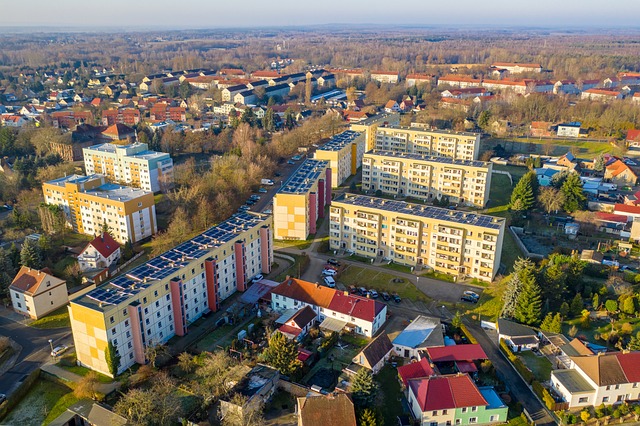
Fostering positive landlord-tenant relationships is a cornerstone of successful real estate management. Addressing concerns and resolving disputes effectively is a key component of this dynamic, as it ensures both parties’ needs are met, leading to a more harmonious co-existence within rental properties. When left unaddressed, disputes can escalate, leading to higher vacancy rates, damaged property, and negative reviews that can impact the overall real estate investment portfolio.
A robust dispute resolution process starts with open communication channels. Landlords should establish clear guidelines for tenants to voice their concerns, whether through in-person meetings, dedicated email addresses, or online portals. Prompt attention to these issues demonstrates a commitment to tenant satisfaction. For instance, addressing noise complaints promptly can prevent neighborhood disputes and maintain the peace within the rental property. Data from industry reports suggests that timely intervention in such conflicts can reduce tenant turnover by up to 30%.
Moreover, landlords should adopt a collaborative approach when resolving disputes. This involves actively listening to tenants’ perspectives, empathizing with their concerns, and working together to find mutually beneficial solutions. A flexible attitude, coupled with a willingness to compromise, can foster a sense of partnership. For example, if a tenant requests a reasonable adjustment in rent due to rising living costs, landlords can consider offering concessions or negotiating a longer lease term to retain a satisfied tenant. This collaborative approach not only resolves immediate conflicts but also strengthens the landlord-tenant relationship over time, contributing to a healthier real estate portfolio.