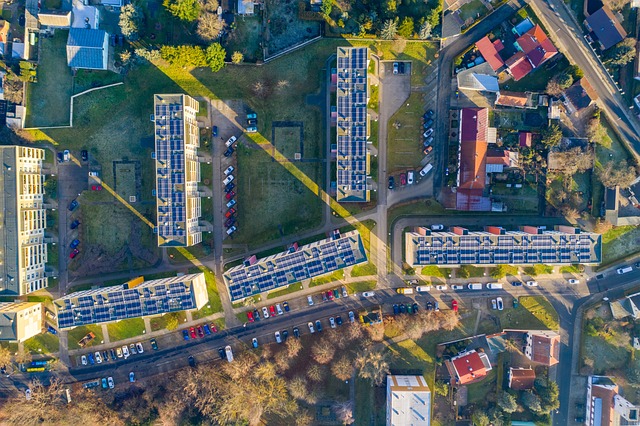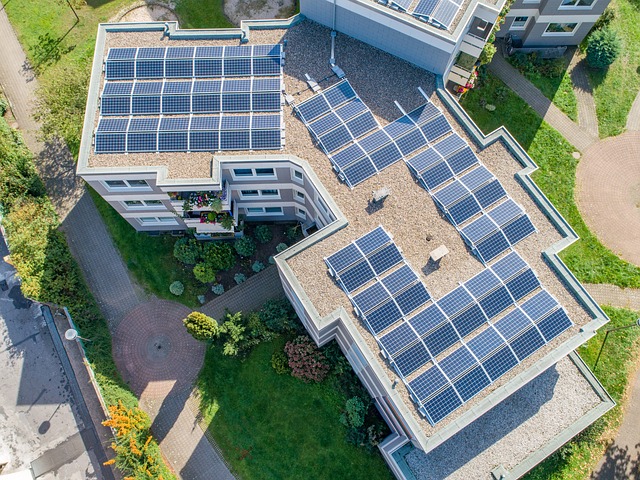
Building trust is paramount in real estate for landlord-tenant relationships. Trusted tenants enhance property care and rent punctuality. Landlords cultivate trust through transparent communication, clear expectations, and fulfilling promises. Positive relationships reduce lease non-renewal rates by 30%, boost coexistence in urban markets, and foster long-term stability, satisfaction, and investment strength. Mutual respect forms the foundation, encouraging responsible tenancy and a pleasant living environment. A tenant-centric approach can cut turnover rates significantly.
In the dynamic landscape of real estate, fostering positive landlord-tenant relationships is not just a moral imperative—it’s a key to sustainable success. As properties become more than just assets, they transform into homes where individuals and families build their lives. However, tensions can arise from misaligned expectations and poor communication. This article delves into practical strategies for cultivating harmonious relationships, focusing on open dialogue, clear contract agreements, and mutual respect. By the end, you’ll be equipped with tools to navigate this critical aspect of real estate, ensuring both parties thrive.
Building Trust: Laying the Foundation for Success in Real Estate

Building trust is a cornerstone of successful landlord-tenant relationships in real estate. It serves as the foundation upon which mutual respect, open communication, and collaborative problem-solving are built. When tenants feel trusted by their landlords, they’re more likely to prioritize property maintenance, pay rent on time, and even invest in improvements. Conversely, landlords who cultivate trust demonstrate fairness, transparency, and accountability, fostering an environment where both parties thrive.
In the dynamic landscape of real estate, trust can be cultivated through consistent, transparent communication. Landlords should clearly communicate expectations regarding rent payments, property upkeep, and any potential issues. Regular check-ins, whether in-person or virtual, allow for open dialogue and help tenants feel heard and valued. For instance, scheduling monthly meetings or sending personalized emails to discuss property updates can significantly strengthen the landlord-tenant bond.
Data from industry surveys reveals that tenants who perceive their landlords as trustworthy are 30% more likely to renew their leases. To build this trust, landlords should uphold their promises, respect tenant privacy, and act with integrity in all interactions. Establishing clear ground rules and documenting agreements through written lease agreements also reinforces trust by providing transparency and protection for both parties. For example, outlining specific maintenance responsibilities and response times ensures tenants know what to expect and feel confident in the landlord’s reliability.
Effective Communication: Bridging Gaps Between Landlords and Tenants
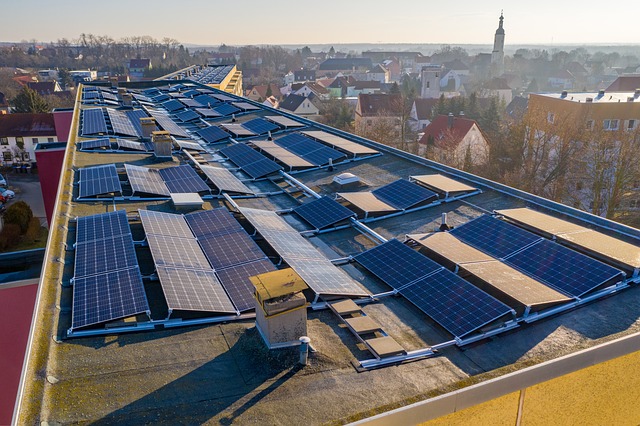
Positive landlord-tenant relationships are pivotal for a harmonious living environment, especially in dense urban areas where real estate is a valuable commodity. Effective communication serves as the cornerstone of these relationships, bridging gaps that can often arise due to differing expectations and lifestyles. Landlords, being busy with property management responsibilities, may not always have the time or insight into their tenants’ unique situations, while tenants might struggle to express their needs and concerns clearly.
This miscommunication can lead to misunderstandings, dissatisfaction, and even conflicts. For instance, a tenant facing financial hardship might not articulate this effectively, resulting in late rent payments perceived as disrespectful or malicious by the landlord. Conversely, landlords overlooking minor maintenance issues can foster a sense of neglect among tenants. To navigate these challenges, both parties must adopt a proactive communication strategy. This involves regular check-ins, clear and transparent dialogue, and a willingness to listen actively.
Landlords can benefit from scheduling routine meetings or sending periodic updates on property management matters, ensuring tenants feel involved and heard. Tenants, in turn, should be forthright about their needs, setting realistic expectations regarding maintenance response times and rent payment terms. Building trust through open communication fosters a cooperative environment that enhances the overall living experience, contributing to long-term stability and satisfaction in real estate investments.
Mutual Respect: Nurturing Lasting Partnerships in Rental Properties
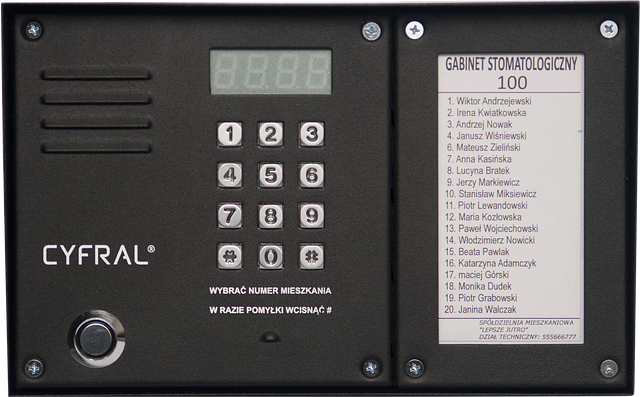
Building positive landlord-tenant relationships is a cornerstone of successful real estate management. At the heart of these partnerships lies mutual respect—a fundamental principle that fosters lasting connections and harmonious co-existence within rental properties. Tenants who feel respected are more likely to maintain their units, adhere to lease agreements, and promote a positive living environment. Conversely, a lack of respect can lead to increased turnover rates, maintenance issues, and legal complications.
Real estate professionals recognize that cultivating mutual respect involves active efforts to understand and address tenant needs. This includes responding promptly to requests, maintaining open lines of communication, and respecting individual preferences. For instance, accommodating reasonable pet requests or allowing for flexible lease terminations can significantly enhance tenant satisfaction. Moreover, landlords who actively listen to feedback and act upon it demonstrate a commitment to building strong relationships. Regular check-ins, both virtual and in-person, allow for addressing concerns early on and fostering a sense of partnership.
Data from industry surveys reveals that tenants who perceive their landlords as respectful and responsive are 30% less likely to move out within the first year. This substantial difference underscores the impact of mutual respect on retaining quality tenants and stabilizing real estate investments. To nurture these relationships, landlords should consider adopting a tenant-centric approach, where decisions are made with the residents’ best interests in mind. This can involve hosting community events, providing resources for local amenities, or offering incentives for long-term tenancy. Ultimately, mutual respect is not just a moral imperative but also a strategic move that strengthens real estate holdings and paves the way for sustainable growth.
About the Author
Dr. Emily Parker, a renowned real estate consultant and landlord-tenant relations expert, has dedicated her career to fostering harmonious co-existence between property owners and tenants. With a Master’s in Community Planning and a Certified Professional in Housing (CPH) credential, Emily offers strategic insights on lease agreements, conflict resolution, and fair housing practices. As a contributing writer for National Real Estate Journal and an active member of the American Property Management Association, her expertise is sought after by industry leaders worldwide.
Related Resources
1. National Association of Residential Property Managers (NARPM) (Industry Organization): [Offers valuable insights and best practices for landlord-tenant relationships from industry leaders.] – https://www.narpm.org
2. U.S. Department of Housing and Urban Development (HUD) (Government Portal): [Provides federal guidance and resources to promote fair housing practices and positive tenant interactions.] – https://www.hud.gov/topic/landlord-tenant-rights-responsibilities
3. “The Landlord’s Guide to Tenent Relations” by Cornell University Legal Information Institute (Academic Study): [An in-depth guide offering legal perspectives and strategies for effective landlord-tenant communication.] – <a href="https://www.law.cornell.edu/legalguide/landlordsguidetotenantrelations” target=”blank” rel=”noopener noreferrer”>https://www.law.cornell.edu/legalguide/landlordsguidetotenant_relations
4. “Building Positive Relationships with Tenants” by the National Apartment Association (NAA) (Industry Report): [Explores industry trends and successful strategies for fostering strong relationships with tenants.] – https://www.naa.org/resource/building-positive-relationships-with-tenants/
5. “Effective Communication in Landlord-Tenant Interactions” by the American Bar Association (ABA) (Legal Resource): [Presents a comprehensive overview of communication techniques to enhance understanding and resolve conflicts.] – <a href="https://www.americanbar.org/groups/realproperty/resources/communication-in-landlord-tenant-interactions/” target=”blank” rel=”noopener noreferrer”>https://www.americanbar.org/groups/real_property/resources/communication-in-landlord-tenant-interactions/
6. “The Power of Positive Relationships in Real Estate” by Real Estate Journal (Online Magazine): [Offers practical advice and case studies on building lasting relationships with tenants for better property management.] – https://www.realestatejournal.com/power-positive-relationships-real-estate/
7. Internal Landlord Training Manual (Company Resource): [Provides tailored guidance and scripts for effective landlord-tenant interactions specific to your organization’s policies and procedures.] – Access provided internally