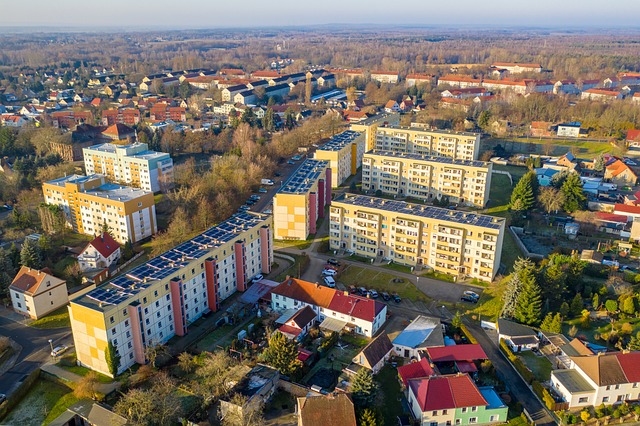
In real estate, tenant engagement and satisfaction are crucial for long-term success, driving lease renewals through personalized incentives that address individual needs, market trends, and property advantages. Regularly reviewing feedback ensures competitive offers, enhancing retention with favorable living conditions and community fostering events.
In the dynamic realm of real estate, maintaining tenant satisfaction is key to long-term success. Lease renewals present an opportunity for landlords to strengthen their relationships with occupants, yet many hesitate to offer incentives beyond traditional terms. However, occasionally providing renewal incentives can significantly impact retention rates and foster a positive environment. This article delves into the strategic value of such gestures, exploring how they can mitigate vacancy risks and contribute to thriving real estate investments. By the end, landlords will grasp the art of incentivizing renewals, ultimately enriching their portfolio’s performance.
Evaluate Tenant Engagement and Satisfaction in Real Estate

In the dynamic landscape of real estate, tenant engagement and satisfaction are paramount to long-term success. Regularly evaluating these factors allows property managers and landlords to gauge the health of their relationships with tenants and make informed decisions regarding lease renewals. A strategic approach to lease renewal incentives can significantly enhance tenant retention rates, fostering a positive environment that benefits both parties.
One effective method is to implement a feedback system that collects insights on tenant experiences. This could involve periodic satisfaction surveys, one-on-one interviews, or digital platforms designed for open communication. By actively listening to tenants’ concerns and suggestions, property managers can identify areas of improvement and address them proactively. For instance, data from such assessments might reveal a need for improved amenity access, prompt maintenance response times, or more flexible lease terms—all of which can be incorporated into renewal packages as incentives.
Moreover, real estate professionals should recognize that personalized offers hold greater weight than universal discounts. Tailoring incentives to individual tenants demonstrates a deeper understanding of their unique needs and preferences. For example, offering a discounted rent for an additional month might appeal to a tenant planning a temporary relocation, while another might prefer improved internet connectivity as an incentive. This targeted approach not only increases the likelihood of lease renewal but also strengthens the bond between landlord and tenant, fostering a sense of mutual respect and understanding in the ever-evolving real estate market.
Craft Targeted Incentives for Lease Renewal

In the dynamic landscape of real estate, lease renewals present a strategic opportunity for property managers and landlords to strengthen their relationships with tenants while securing long-term occupancy. Crafting targeted incentives for lease renewal is an art that requires understanding tenant needs, market trends, and the unique attributes of the property itself. A well-designed incentive program can be a game-changer in retaining valued tenants, who not only contribute to stable revenue but also help maintain the property’s desirability.
Expert analysis suggests that personalized incentives, tailored to individual tenant profiles, are more effective than generic offers. For instance, a tech startup lease renewal might include reduced parking fees or access to high-speed internet upgrades, while a long-term retail tenant could benefit from lower rent for an extended period or the addition of common area amenities catering to their employees’ needs. Data from recent studies indicates that tenants value these tailored perks, leading to higher renewal rates and improved satisfaction levels.
When crafting incentives, consider market dynamics and property-specific advantages. If a building is located in a neighborhood with limited comparable options, offering flexible lease terms or concessions could be appealing. Additionally, leveraging the real estate’s unique features—such as eco-friendly initiatives, cutting-edge fitness centers, or community event spaces—as part of the renewal package can set the property apart and enhance its appeal to potential tenants. Regularly reviewing market trends and tenant feedback ensures that incentives remain competitive and relevant.
Implement Strategies to Boost Retention and Minimize Vacancies

To maintain a steady tenant base and minimize vacancies, real estate professionals should strategically implement lease renewal incentives. This proactive approach not only boosts retention rates but also positions landlords or property managers as forward-thinking partners rather than mere service providers. By offering renewed terms, concessions, or enhanced amenities, property owners can create a win-win scenario where tenants benefit from improved living conditions and landlords secure long-term commitments.
One effective strategy is to provide incentives tailored to individual tenant needs. This could involve offering rent concessions during periods of high market fluctuations, flexible lease terminations to accommodate changing life circumstances, or even the addition of desirable amenities like dedicated parking spaces, private outdoor areas, or smart home technology. For instance, a study by the National Multifamily Housing Council (NMHC) revealed that property managers who offered move-in incentives saw an average 15% increase in lease renewals.
Moreover, fostering a sense of community through organized events, wellness programs, or collaboration with local businesses can significantly enhance tenant satisfaction and loyalty. These initiatives not only create a desirable living environment but also provide opportunities for real estate professionals to differentiate their properties in a competitive market. By regularly assessing tenant feedback and adapting renewal incentives accordingly, landlords can ensure their strategies remain effective and relevant, ultimately driving higher retention rates and reduced vacancy periods.